


Natural Family Planning vs. Contraceptives: What’s the Best Option for You in the Philippines?
Estimated reading time: 7 minutes
Mga Pangunahing Takeaway
- Natural Family Planning (NFP) at contraceptives provide different methods for family planning.
- Contraceptives include pills, injectables, condoms, and IUDs with various benefits and side effects.
- NFP requires no drugs or devices and emphasizes fertility awareness.
- The RH Law enhances access to contraceptives in the Philippines but faces challenges.
Talaan ng nilalaman
Choosing the Right Path in Family Planning
In the Philippines, the family planning landscape is vital for making informed choices about reproductive health. Whether it’s understanding natural family planning methods or exploring the variety of contraceptives available, each decision plays a crucial role in shaping family planning strategies. The Responsible Parenthood and Reproductive Health Act of 2012 has been pivotal in providing more Filipinos with access to contraceptives, impacting public health outcomes positively. But what’s the best option for you? Let’s delve into both methods to guide you towards making an informed decision.
Understanding Contraceptive Methods
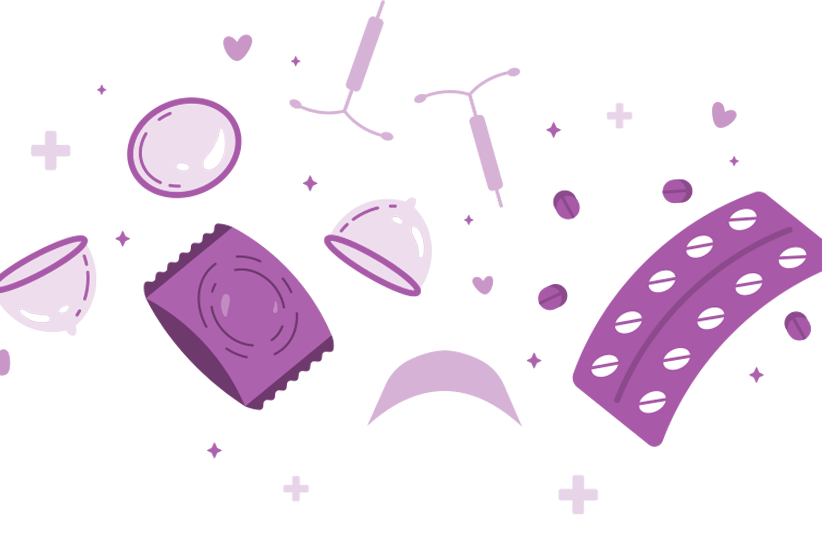
In the Philippines, various contraceptive methods, including mga tabletas, mga injectable, condom, at IUDs, are widely accessible under the RH Law, ensuring that individuals can choose the option that best fits their needs.
1. Birth Control Pills
- Types: Combination Pills (estrogen & progestin), Progestin-Only Pills
- Effectiveness: 91% (typical use), 99% (perfect use)
- Pros: Regulates periods, reduces acne
- Cons: Must be taken daily, potential side effects, no STI protection
2. Injectables
- Definition: Hormonal injection every three months
- Effectiveness: 94% (typical use), 99% (perfect use)
- Pros: Long-acting, no daily action needed
- Cons: Requires clinic visit, potential weight gain, no STI protection
3. Intrauterine Devices (IUDs)
- Types: Hormonal (releases progestin) and Copper (non-hormonal, toxic to sperm)
- Effectiveness: 99%
- Pros: Long-lasting (3-10 years), reversible, minimal maintenance
- Cons: Discomfort during insertion, risk of expulsion or perforation, no STI protection
4. Implants
- Definition: A small rod inserted under the skin releasing progestin
- Effectiveness: 99%
- Pros: Lasts up to 3 years, no daily action needed
- Cons: Requires professional insertion, potential mood changes, irregular bleeding, no STI protection
5. Condoms
- Definition: Barrier method preventing sperm entry
- Effectiveness: 85% (typical use), 98% (perfect use)
- Pros: Protects against STIs, easy to use
- Cons: Can break, may reduce sensation, requires correct use
How to Choose the Right Contraceptive Method
- Consider Your Lifestyle: Factors such as convenience, health history, and family planning goals
- Consult a Healthcare Provider: Expert guidance for personalized choices
- Trial and Adjustment: Trying different methods to find the best fit
Exploring Natural Family Planning Methods
Unlike contraceptives, natural family planning (NFP) requires no drugs or devices and emphasizes fertility awareness to prevent pregnancy. To better understand your fertility, consider reading why tracking your ovulation is key to understanding your fertility.
Popular NFP Methods
- Calendar Method
- Cervical Mucus Method
- Basal Body Temperature Method
Pros and Cons of NFP
Pros:
- No medical intake or devices.
- May align better with certain personal or religious beliefs.
Cons:
- Requires strict and accurate tracking.
- Higher risk of user error.
When comparing NFP with contraceptives, consider your lifestyle, health needs, and the level of effort you can commit to family planning. For personalized advice, see Are Oral Contraceptives Right for You? Factors to Consider.
Legal and Societal Context in the Philippines
The RH Law not only provides Filipinos with access to a wide range of contraceptives but also ensures that reproductive health services are a fundamental right. However, challenges like local resistance and logistical issues still hinder access, especially in rural areas (Source). Understanding these factors can help you navigate the options available and make choices that best fit your circumstances.
Making an Informed Family Planning Decision
Family planning decisions should always be made based on comprehensive information and personal circumstances. Engage with healthcare providers to understand which method suits your health profile and lifestyle best. Additionally, exploring family planning tips for newlyweds can empower you to make informed choices.
The Role of Education
- Reproductive health education is crucial for making informed decisions. Access to accurate information can empower safer and more effective family planning.
Let’s not forget, organizations like TRUST PH, a pioneering social enterprise in the Philippines, are playing a significant role in enhancing accessibility and affordability in reproductive health services.
Embracing Informed Choices in Reproductive Health
Both natural family planning and contraceptives offer different advantages and challenges. By staying educated through resources and discussions with healthcare professionals, you can choose a method that resonates with your personal and health needs. The ongoing advocacy for reproductive health rights and policies continues to shape a better landscape for all Filipinos, making informed choices more accessible. Remember, the path you choose should ultimately support your wellbeing and future family goals.
Mga Madalas Itanong
What is the effectiveness of natural family planning?
Natural family planning can be effective when followed accurately but carries higher risks of user error.
Are there any free resources for family planning in the Philippines?
Yes, organizations like TRUST offer resources and affordable services for family planning.