

In the Philippines, hormonal birth control are among the most widely used methods for pregnancy prevention. But beyond that, they can also influence many aspects of your body’s natural rhythm, such as your menstrual cycle and physical and emotional changes.
So, what really happens when you start taking birth control? Let’s walk through how it works, what to expect, and how to choose the method that suits you best.
How Hormonal Birth Control Works
Hormonal contraceptives contain synthetic versions of the hormones your body naturally produces, which are usually estrogen and/or progestin. These work in three powerful ways:
- Preventing ovulation – No egg release means no chance of fertilization.
- Thickening cervical mucus – This makes it harder for sperm to reach the egg.
- Altering the uterine lining – Even if fertilization occurs, implantation becomes unlikely.
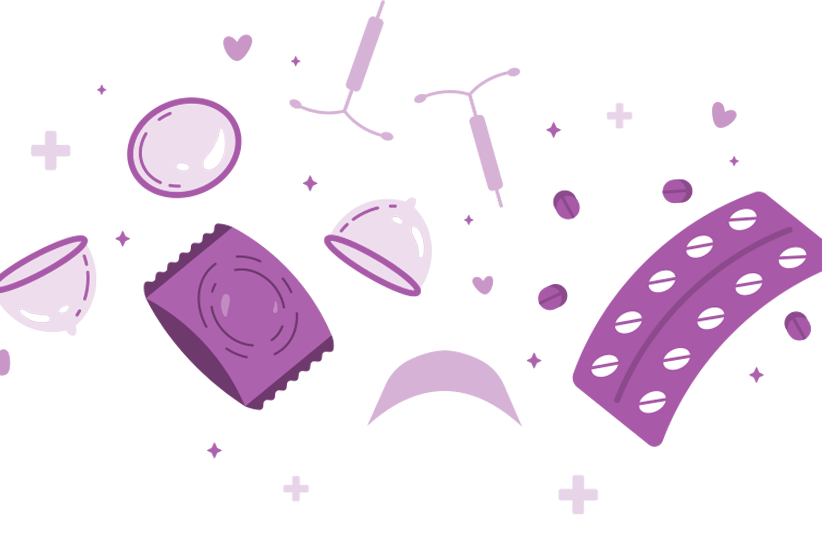
These effects make hormonal birth control highly effective. You can choose from several options, including:
- Combined oral contraceptives at Progestin-only pills (taken daily)
- Mga injectable (every 3 months)
- Implants (long-acting, placed under the skin. Protection up to 3 years)
Common Changes in Your Body
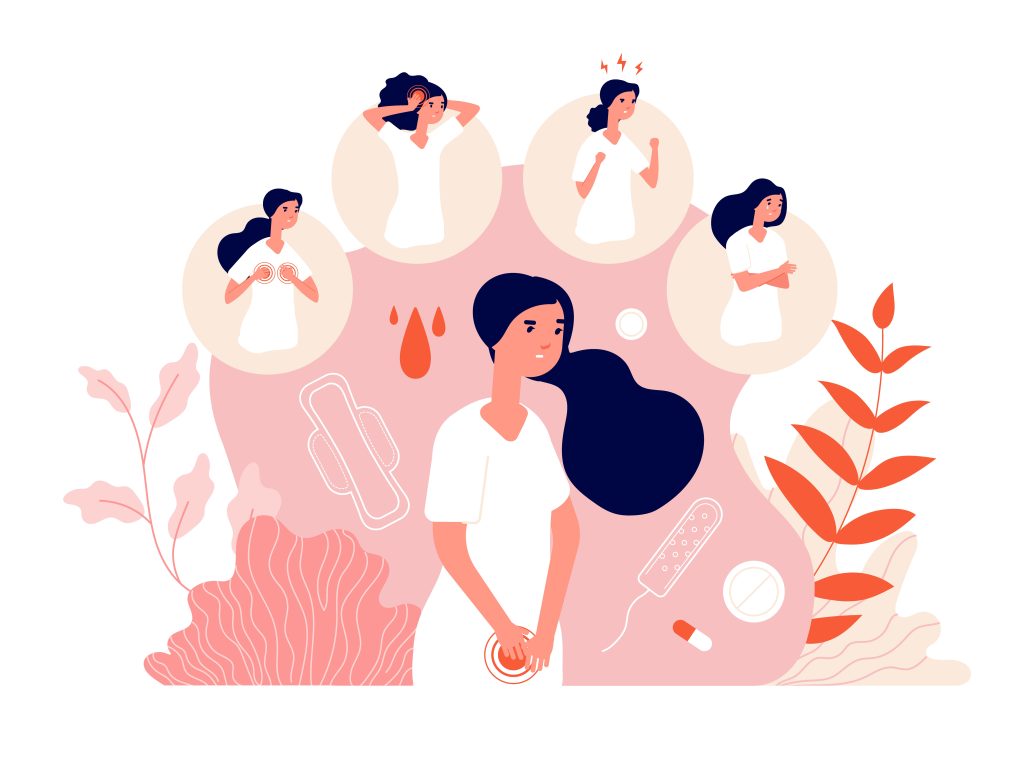
Every body reacts differently, but here are some common changes you may notice when starting hormonal birth control:
- Regulated or lighter periods
- Reduced menstrual cramps
- Changes in skin (acne improvement or worsening)
- Mood fluctuations and emotional sensitivity
- Breast tenderness or minor weight changes
Your body usually adjusts within a few months, so it’s important to keep checking in with yourself during the transition.
Hormonal vs Non-Hormonal Birth Control
While hormonal birth control is beneficial in preventing pregnancy, not everyone wants or needs hormonal contraception. Non-hormonal options include:
- Mga condom – Easy to use and protect against STIs
- Fertility awareness methods – These involve tracking your cycle and ovulation carefully using tools such as period-tracking apps, ovulation test kits, basal body temperature monitoring, and cervical mucus observation.
- Copper IUD – A small, flexible device wrapped in copper that prevents pregnancy for up to 10 years
Each approach has its pros and cons:
Hormonal birth control
Mga pros
- Has high efficacy rate of preventing pregnancy
- Variety of options available
- May help manage other health concerns such as irregular periods and premenstrual syndrome (PMS)
- Can lighten or stop periods over time
- May lower the risk of certain cancers such as endometrial and ovarian cancer
Cons
- Possible hormone-related side effects such as nausea, headaches, irregular periods, breast tenderness, and depression
- May increase certain health risks including stroke, heart attack, liver tumors, blood clots, and fever
- Linked to a slightly increased risk of certain cancers like breast and cervical cancer
- Not immediately effective
- It can be expensive
Non-hormonal birth control
Mga pros
- No side effects
- Use it as needed
- Easily accessible
- Doesn’t interfere with natural menstrual cycle
- Abstinence and condoms provide STI protection
Cons
- Requires consistent and correct use
- Requires behavioral and lifestyle changes
- Effectiveness may vary and can be lower than hormonal methods, depending on the option used
- No STI protection from most methods besides condoms and abstinence
- Can interrupt foreplay and intercourse
Hormonal options often offer higher reliability and cycle control, while non-hormonal methods can be better for those who are sensitive to synthetic hormones or prefer a natural approach.
If you’re experiencing ongoing side effects like mood swings, persistent acne, or irregular bleeding from hormonal contraceptives, it may be time to reassess your current method. Sometimes a simple switch from hormonal to non-hormonal birth control can bring your body back into balance.
It is recommended to speak with a healthcare provider to explore alternatives that better suit your needs.
Long-Term Health Impacts
Beyond short-term changes, some hormonal birth control methods can also have long-term effects on your health, such as:
- May reduce the risk of ovarian and endometrial cancers
- Injectable methods like the Depotrust shot can impact bone density with long-term use
- Fertility returns after stopping, but the timing depends on the method
Listening to Your Body: When to Seek Help
Side effects are normal after taking hormonal birth control. Here are the common signs that your body is going through changes:
- Headaches and dizziness
- Pagduduwal
- Weight gain
- Nagbabago ang mood
- Spotting or bleeding
- Fewer acne breakouts
If these side effects persist or feel too disruptive, consult a reproductive health provider to help you explore other birth control options that might work better for you.
TRUST: Supporting Informed Choices
TRUST believes every Filipina deserves access to safe, informed reproductive health choices. That’s why we offer both hormonal and non-hormonal birth control options, empowering you to choose what works best for your body and lifestyle.
Ready to explore options? Check out our product information.You can also find clinics near you for consultation and guidance through our Stores & Clinics tab.
Choose What Feels Right for Your Body
Birth control is personal and helps you take charge of your body. Whether you’re seeking hormonal support or sticking to natural methods, the most important thing is informed choice. You deserve to feel confident and in control of your reproductive journey.
—
References
Benisek, A. (2025, April 18). Birth Control Pills. WebMD. https://www.webmd.com/sex/birth-control/birth-control-pills
Casey, F. E. (2024). Hormonal Methods of Contraception. MSD Manuals. https://www.msdmanuals.com/home/women-s-health-issues/family-planning/hormonal-methods-of-contraception
Cherney, K. (2024, October 9). Birth Control and Bone Loss: Is There a Link? Healthline. https://www.healthline.com/health/birth-control-and-bone-loss?utm_source=ReadNext
Lovering, N. (2022, September 16). Pros and Cons of Hormonal vs. Nonhormonal Birth Control. Healthline. https://www.healthline.com/health/birth-control/hormonal-vs-nonhormonal-birth-control#hormonal-pros
Stacey, D. (2025, February 28). When Does Fertility Return After Stopping Birth Control? Verywell Health. https://www.verywellhealth.com/when-does-fertility-return-after-stopping-birth-control-4056322