

Sa Pilipinas, ang hormonal birth control ay kabilang sa mga pinakamalawak na ginagamit na pamamaraan para sa pag-iwas sa pagbubuntis. Ngunit higit pa riyan, maaari rin nitong maimpluwensyahan ang maraming aspeto ng natural na ritmo ng iyong katawan, tulad ng iyong siklo ng regla at mga pisikal at emosyonal na pagbabago.
Kaya, ano nga ba ang tunay na mangyayari kapag nagsimula kang uminom ng birth control? Talakayin natin kung paano ito gumagana, ano ang aasahan, at kung paano pipiliin ang paraan na pinakaangkop sa iyo.
Paano Gumagana ang Hormonal Birth Control
Ang mga hormonal contraceptive ay naglalaman ng mga sintetikong bersyon ng mga hormone na natural na ginagawa ng iyong katawan, na kadalasang estrogen at/o progestin. Gumagana ang mga ito sa tatlong makapangyarihang paraan:
- Pagpigil sa obulasyon – Ang kawalan ng paglabas ng itlog ay nangangahulugang walang pagkakataon na magkaroon ng pertilisasyon.
- Pagpapalapot ng cervical mucus – Dahil dito, mas mahirap maabot ng semilya ang itlog.
- Pagbabago ng lining ng matris – Kahit na mangyari ang pertilisasyon, nagiging malabong mangyari ang implantasyon.
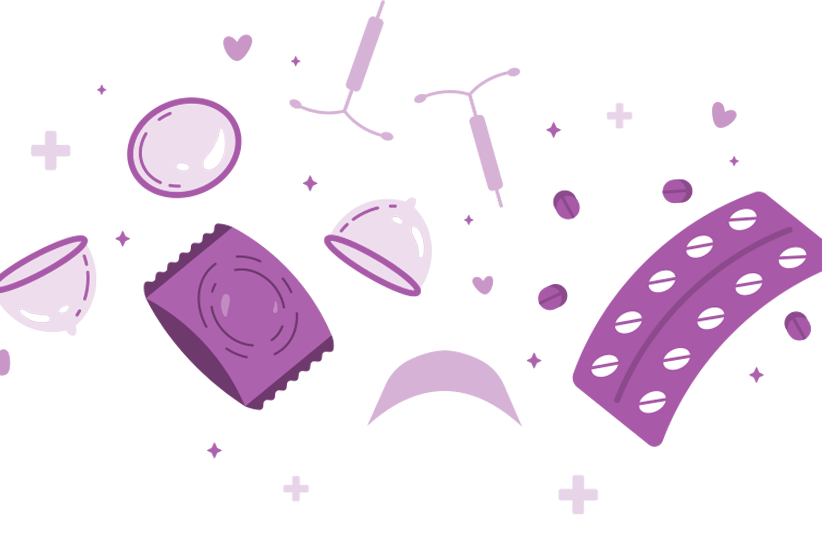
Dahil sa mga epektong ito, lubos na mabisa ang hormonal birth control. Maaari kang pumili mula sa ilang mga opsyon, kabilang ang:
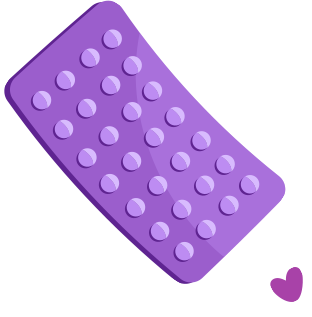
- Pinagsamang mga kontraseptibo sa bibig at Mga tabletang progestin lamang (iniinom araw-araw)
- Mga injectable (kada 3 buwan)
- Mga implant (matagalang epekto, inilalagay sa ilalim ng balat. Proteksyon hanggang 3 taon)
Mga Karaniwang Pagbabago sa Iyong Katawan
Iba-iba ang reaksyon ng bawat katawan, ngunit narito ang ilang karaniwang pagbabago na maaaring mapansin mo kapag nagsisimula ng hormonal birth control:
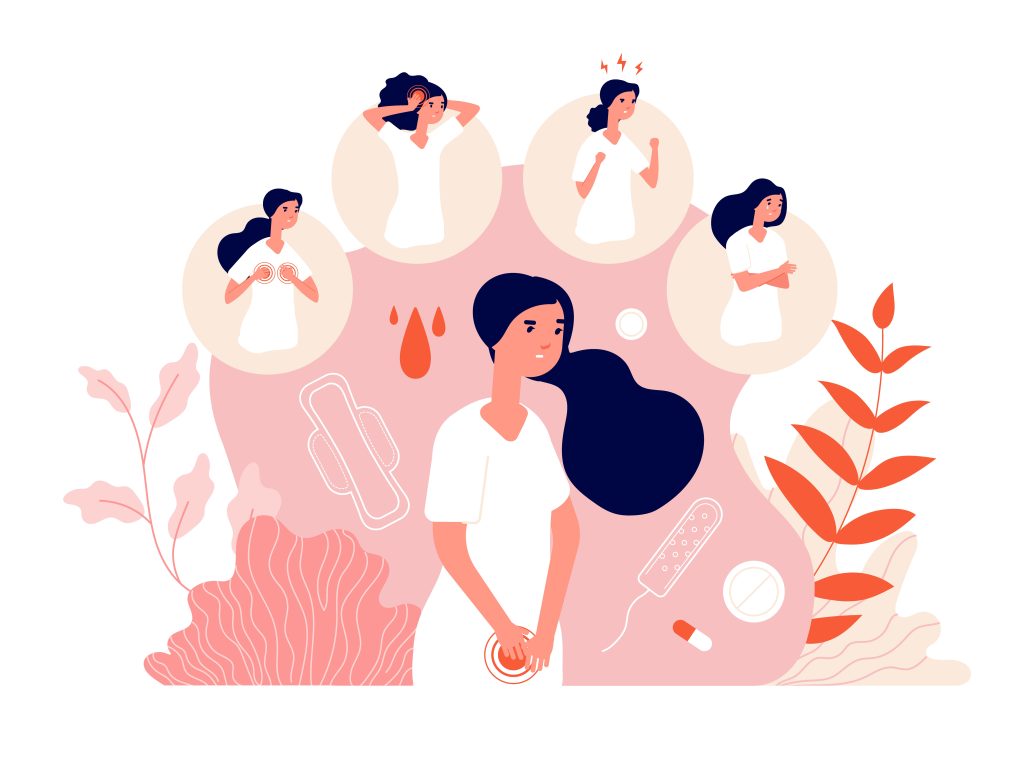
- Regular o mas magaan na regla
- Nabawasan ang pananakit ng regla
- Mga pagbabago sa balat (pagbuti o paglala ng acne)
- Pagbabago-bago ng mood at emosyonal na sensitibidad
- Pananakit ng dibdib o bahagyang pagbabago sa timbang
Karaniwang umaangkop ang iyong katawan sa loob ng ilang buwan, kaya mahalagang patuloy na suriin ang iyong sarili habang nasa proseso ng transisyon.
Hormonal vs. Non-Hormonal na Pagkontrol sa Kapanganakan
Bagama't kapaki-pakinabang ang hormonal birth control sa pagpigil sa pagbubuntis, hindi lahat ay gusto o nangangailangan ng hormonal contraception. Kabilang sa mga opsyon na hindi hormonal ang:
- Mga condom – Madaling gamitin at maprotektahan laban sa mga STI
- Mga pamamaraan ng kamalayan sa pagkamayabong – Kabilang dito ang maingat na pagsubaybay sa iyong cycle at obulasyon gamit ang mga tool tulad ng mga regla-tracking app, ovulation test kit, basal body temperature monitoring, at observation ng cervical mucus.
- Copper IUD – Isang maliit at nababaluktot na aparato na nakabalot sa tanso na pumipigil sa pagbubuntis nang hanggang 10 taon
Ang bawat pamamaraan ay may mga kalamangan at kahinaan:
Pagkontrol sa panganganak na hormonal
Mga pros
- Mataas ang antas ng bisa ng pagpigil sa pagbubuntis
- Iba't ibang opsyon na magagamit
- Maaaring makatulong sa pamamahala ng iba pang mga problema sa kalusugan tulad ng hindi regular na regla at premenstrual syndrome (PMS)
- Maaaring magpagaan o magpahinto ng regla sa paglipas ng panahon
- Maaaring mapababa ang panganib ng ilang uri ng kanser tulad ng kanser sa endometrium at obaryo
Cons
- Mga posibleng epekto na may kaugnayan sa hormone tulad ng pagduduwal, sakit ng ulo, hindi regular na regla, pananakit ng dibdib, at depresyon
- Maaaring magpataas ng ilang panganib sa kalusugan kabilang ang stroke, atake sa puso, mga tumor sa atay, pamumuo ng dugo, at lagnat
- May kaugnayan sa bahagyang pagtaas ng panganib ng ilang partikular na kanser tulad ng kanser sa suso at cervix
- Hindi agad epektibo
- Maaari itong maging mahal
Mga hindi hormonal na birth control
Mga pros
- Walang side effect
- Gamitin ito kung kinakailangan
- Madaling mapuntahan
- Hindi nakakasagabal sa natural na siklo ng regla
- Ang pag-iwas at condom ay nagbibigay ng proteksyon laban sa mga STI
Cons
- Nangangailangan ng palagian at wastong paggamit
- Nangangailangan ng mga pagbabago sa pag-uugali at pamumuhay
- Ang bisa ay maaaring mag-iba at maaaring mas mababa kaysa sa mga pamamaraang hormonal, depende sa opsyon na ginamit
- Walang proteksyon laban sa STI mula sa karamihan ng mga pamamaraan maliban sa condom at abstinence
- Maaaring makaabala sa foreplay at pakikipagtalik
Ang mga opsyon sa hormonal ay kadalasang nag-aalok ng mas mataas na pagiging maaasahan at kontrol sa cycle, habang ang mga pamamaraang hindi hormonal ay maaaring mas mainam para sa mga sensitibo sa mga sintetikong hormone o mas gusto ang natural na pamamaraan.
Kung nakakaranas ka ng patuloy na mga side effect tulad ng mood swings, patuloy na acne, o iregular na pagdurugo mula sa mga hormonal contraceptives, maaaring panahon na para muling suriin ang iyong kasalukuyang pamamaraan. Minsan, ang isang simpleng paglipat mula sa hormonal patungo sa non-hormonal birth control ay maaaring makapagpabalik sa balanse ng iyong katawan.
Inirerekomenda na makipag-usap ka sa isang tagapagbigay ng pangangalagang pangkalusugan upang tuklasin ang mga alternatibo na mas angkop sa iyong mga pangangailangan.
Mga Pangmatagalang Epekto sa Kalusugan
Bukod sa mga panandaliang pagbabago, ang ilang mga hormonal birth control methods ay maaari ring magkaroon ng pangmatagalang epekto sa iyong kalusugan, tulad ng:
- Maaaring mabawasan ang panganib ng mga kanser sa obaryo at endometrial
- Mga pamamaraang maaaring i-inject tulad ng Depottrust Ang iniksiyon ay maaaring makaapekto sa densidad ng buto sa matagalang paggamit
- Bumalik ang pertilidad pagkatapos ng paghinto, ngunit ang tiyempo ay depende sa paraan
Pakikinig sa Iyong Katawan: Kailan Humingi ng Tulong
Normal lang ang mga side effect pagkatapos uminom ng hormonal birth control. Narito ang mga karaniwang senyales na dumaranas ng mga pagbabago ang iyong katawan:
- Sakit ng ulo at pagkahilo
- Pagduduwal
- Pagtaas ng timbang
- Nagbabago ang mood
- Pagdurugo o pagdurugo
- Mas kaunting paglabas ng acne
Kung ang mga side effect na ito ay magpapatuloy o tila nakakagambala, kumunsulta sa isang reproductive health provider upang matulungan kang tuklasin ang iba pang mga opsyon sa birth control na maaaring mas epektibo para sa iyo.
TIWALA: Pagsuporta sa mga Maalam na Pagpili
Naniniwala ang TRUST na ang bawat Pilipina ay karapat-dapat sa ligtas at matalinong mga pagpipilian sa kalusugang reproduktibo. Kaya naman nag-aalok kami ng parehong hormonal at non-hormonal na mga opsyon sa birth control, na nagbibigay-daan sa iyo na piliin kung ano ang pinakamainam para sa iyong katawan at pamumuhay.
Handa ka na bang tuklasin ang mga opsyon? Tingnan ang aming impormasyon ng produkto.Makakahanap ka rin ng mga klinika na malapit sa iyo para sa konsultasyon at gabay sa pamamagitan ng aming Mga Tindahan at Klinika tab.
Piliin ang Tama para sa Iyong Katawan
Ang birth control ay personal at tumutulong sa iyo na pangasiwaan ang iyong katawan. Naghahanap ka man ng suporta sa hormonal o gumagamit ng mga natural na pamamaraan, ang pinakamahalagang bagay ay ang matalinong pagpili. Karapat-dapat kang makaramdam ng tiwala at kontrol sa iyong paglalakbay sa reproduksyon.
—
Mga Sanggunian
Benisek, A. (2025, Abril 18). Mga Pildoras para sa Pagkontrol ng Panganganak. WebMD. https://www.webmd.com/sex/birth-control/birth-control-pills
Casey, FE (2024). Mga Paraan ng Kontrasepsyon na may Hormonal na Kaugnayan. Mga Manwal ng MSD. https://www.msdmanuals.com/home/women-s-health-issues/family-planning/hormonal-methods-of-contraception
Cherney, K. (2024, Oktubre 9). Pagkontrol sa Panganganak at Pagkawala ng Buto: May Kaugnayan ba? Healthline. https://www.healthline.com/health/birth-control-and-bone-loss?utm_source=ReadNext
Lovering, N. (2022, Setyembre 16). Mga Kalamangan at Kahinaan ng Hormonal vs. Nonhormonal na Pagkontrol sa Kapanganakan. Healthline. https://www.healthline.com/health/birth-control/hormonal-vs-nonhormonal-birth-control#hormonal-pros
Stacey, D. (2025, Pebrero 28). Kailan Babalik ang Pagkamayabong Pagkatapos Itigil ang Pagkontrol sa Birth? Verywell Health. https://www.verywellhealth.com/when-does-fertility-return-after-stopping-birth-control-4056322