
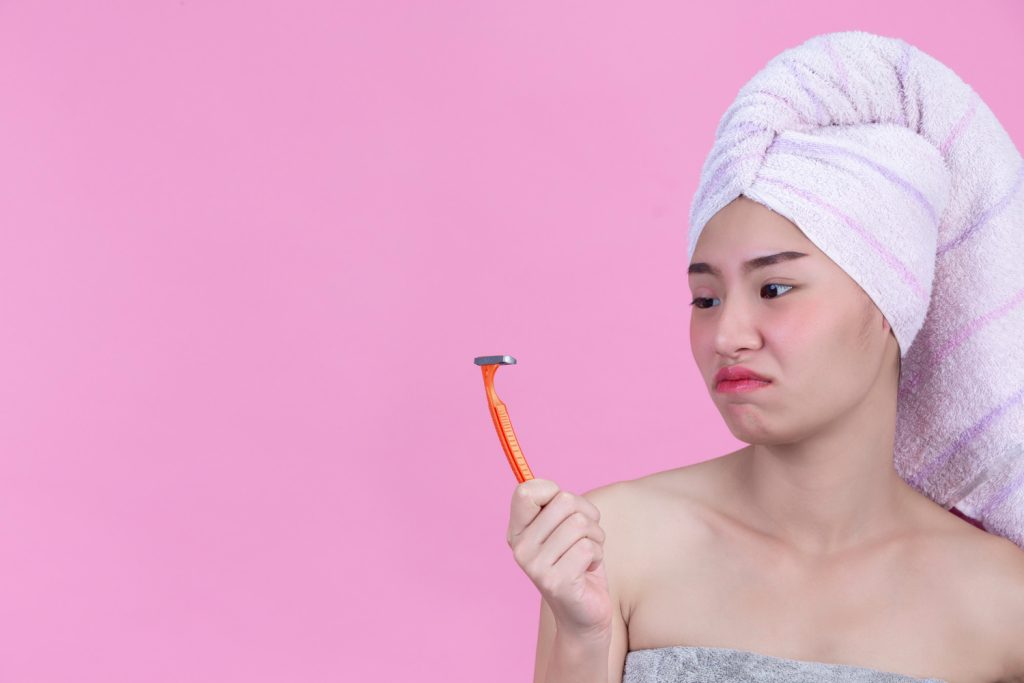

Have you noticed thicker or darker hair growing on your chin, upper lip, chest, or stomach? While body hair is completely normal, sudden or excessive hair growth can sometimes signal something happening beneath the surface—especially with your hormones.
Body changes are a natural part of women’s health, especially during different life stages such as puberty, after pregnancy, or even during stress. But when hair growth becomes more noticeable or appears in typically “male-pattern” areas, it may be linked to a condition called hirsutism, which is often influenced by hormonal imbalance.
Let’s break down what this means and what you can do about it.
What Is Hirsutism?
Hirsutism refers to excessive growth of thick, dark hair in areas where women usually grow minimal hair—such as the face, chest, abdomen, or back.
Hirsutism happens when:
- The body produces higher levels of androgens (often called male hormones), or
- Hair follicles become more sensitive to these hormones.
Androgens exist in all bodies, but elevated levels in women can change hair growth patterns, turning soft “peach fuzz” into coarse, visible hair.
Hirsutism itself is not a disease; it’s usually a symptom of an underlying hormonal imbalance.
Globally, around 5–10% of reproductive-age women experience hirsutism. Most cases (75–80%) are associated with PCOS or polycystic ovary syndrome, while 5–20% develop hirsutism without a clear medical cause, known as idiopathic hirsutism.
Why Hormones Affect Body Hair
Hormones regulate many processes, including hair growth, skin condition, and menstrual cycles.
Common hormonal causes include:
- Polycystic Ovary Syndrome (PCOS)
- Hormonal shifts approaching menopause
- Adrenal gland disorders
- Certain medications affecting hormone levels
Women experiencing hirsutism may also notice:
- Acne
- Irregular menstruation
- Oily skin
- Difficulty managing weight
Because hormones influence multiple body systems, addressing the root cause supports overall women’s health, not just cosmetic concerns.
How Oral Contraceptives Can Help Reduce Hair Growth
One of the most commonly recommended treatments for hormone-related hirsutism is combined oral contraceptives (COCs).
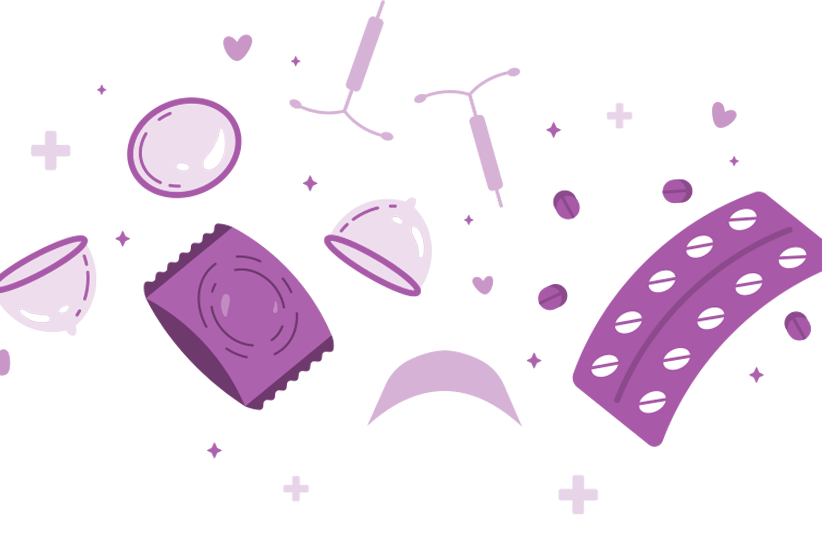
Many oral contraceptives in the Philippines healthcare providers prescribe are not only used for pregnancy prevention—they also help regulate hormones that influence skin and hair growth.
How Combined Pills Work
Cyproterone acetate and ethinylestradiol is an effective combined oral contraceptive pill, which work together to help balance hormone levels.
This pill helps by:
- Reducing androgen production in the ovaries
- Increasing hormone-binding proteins that lower active testosterone levels
- Preventing overstimulation of hair follicles
- Helping regulate menstrual cycles
- Effectively preventing pregnancy by up to 99%
Over time, this hormonal regulation may lead to:
- Slower hair growth
- Finer regrowth of body hair
- Improved acne
- More predictable periods
Because hair grows in cycles, improvements usually become noticeable after several months of consistent use.
For more information on how oral contraceptives go beyond pregnancy prevention, read this article.
Important:
Kumonsulta sa doktor bago kumuha ng anumang mga de-resetang gamot na makikita sa pahinang ito.
Ipinagbabawal ng Foods, Drugs, Devices, and Cosmetics Act ang pagbibigay nang walang reseta. Kailangan ng konsultasyon? Maghanap ng mga klinika at ospital na malapit sa iyo.
When Should You See a Doctor?
Consult a healthcare provider if you notice:
- Sudden increase in facial or body hair
- Hair growth alongside irregular periods
- Severe acne or hormonal symptoms
- Rapid or worsening changes
A doctor may perform hormone testing or imaging to determine the underlying cause and recommend appropriate treatment.
The Bottom Line
Noticing more body hair can feel surprising, but it may simply be your hormones asking for attention.
Hirsutism is common, manageable, and treatable. Combined oral contraceptives containing cyproterone acetate and ethinylestradiol can help restore balance.
Understanding your options empowers you to choose the right contraceptives and make informed decisions about your reproductive health.
–
References
Bitzer, J., Römer, T., & Lopes da Silva Filho, A. (2017). The use of cyproterone acetate/ethinyl estradiol in hyperandrogenic skin symptoms – a review. The European Journal of Contraception & Reproductive Health Care, 22(3), 172–182. https://doi.org/10.1080/13625187.2017.1317339
Cleveland Clinic. (2022). Hirsutism. Retrieved February 27, 2026, from https://my.clevelandclinic.org/health/diseases/14523-hirsutism
Sachdeva S. (2010). Hirsutism: evaluation and treatment. Indian journal of dermatology, 55(1), 3–7. https://doi.org/10.4103/0019-5154.60342