



In the landscape of family planning in the Philippines, women are given more options to make informed decisions about their reproductive health. One of the permanent methods available is Bilateral Tubal Ligation, a safe and effective procedure that is part of comprehensive women’s health services supported by organizations like DKT Philippines Foundation.
This article breaks down what Bilateral Tubal Ligation is, how it works, its benefits, and important things to consider before choosing it.
What is Bilateral Tubal Ligation?
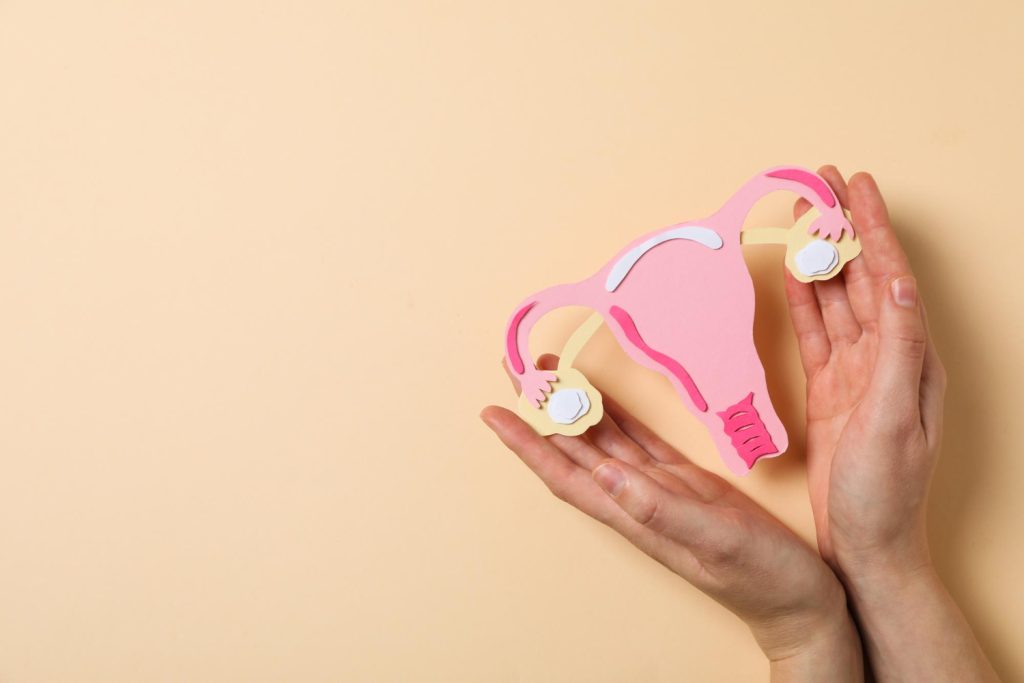
Bilateral tubal ligation (BTL) is a permanent contraceptive procedure for women. It involves blocking, cutting, or sealing the fallopian tubes so that eggs can no longer meet sperm, preventing pregnancy.
Once the procedure is done, fertilization cannot happen naturally. That’s why BTL is considered a long-term or permanent family planning method.
This procedure is available and free through DKT Philippines Foundation’s SODEX Mobile Clinic, the first ambulatory family planning clinic in the country, as well as through its partner clinics and hospitals under its Facility-Based Family Planning Services program.
How the Procedure Works
Bilateral Tubal Ligation is usually done in a hospital or clinical setting by a trained healthcare professional. Here’s a simplified overview:
- The procedure may be done after childbirth (postpartum) or as a separate operation
- Small incisions are made in the abdomen
- The fallopian tubes are surgically closed or blocked
- The procedure is typically done under anesthesia
- Recovery time varies, but many patients return to normal activities within a few days
It is a medical procedure that requires counseling and informed consent to ensure the woman fully understands its permanence.
Benefits of Bilateral Tubal Ligation
BTL offers several advantages:
1. Highly Effective
BTL is one of the most effective permanent contraceptive methods available, with a very low failure rate. It is over 99% effective.
2. No Ongoing Maintenance
Unlike pills or injectables, there is no need for daily or monthly upkeep.
3. Hormone-Free
BTL does not affect hormones, menstrual cycles, or natural body processes.
4. Long-Term Protection
It provides permanent pregnancy prevention, making it ideal for women who are already certain about completing their family.
For ligation post-procedure tips, read here.
Considerations Before Choosing BTL
While BTL is effective, it is important to carefully consider the decision:
1. It is Permanent
Reversal procedures exist but are complex, expensive, and not always successful.
2. No Protection Against STIs
BTL does not protect against sexually transmitted infections, so additional protection may still be needed.
3. Requires Counseling
Healthcare providers conduct counseling sessions to ensure informed and voluntary decision-making.
4. Emotional Readiness
Since it is irreversible, confidence in one’s decision is essential. BTL is a safe and highly effective option for women who are certain they do not want more children.
Final Thoughts
Bilateral Tubal Ligation remains a safe and effective option for women seeking permanent contraception. However, like any family planning method, it should be approached with proper counseling and full understanding of its permanence.
In the evolving space of family planning in the Philippines, informed choice is empowerment—and knowledge is the first step toward it.
For personalized guidance, consult a healthcare provider or visit a TRUST partner clinic near you. Find clinics and hospitals near you.
–
Mga Sanggunian
Cleveland Clinic. (2023). Tubal Ligation. https://my.clevelandclinic.org/health/treatments/4933-tubal-ligation
TRUST. (n.d.). Bilateral Tubal Ligation (BTL). https://trust.ph/methods/bilateral-tubal-ligation/