


Ever wondered how babies actually come to life? You’re not alone! Understanding how the body works can help you make smart choices about relationships, safe sex, and family planning in the future.
Let’s break it down in a simple, easy-to-understand way.

Babies are created when two tiny cells join together: a sperm cell and an egg cell.
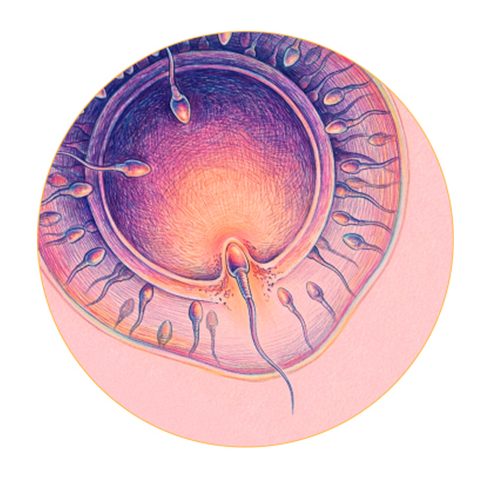
The egg comes from a biological female with ovaries, while the sperm comes from a biological male with testicles. When a sperm successfully meets and fertilizes an egg, it creates the very first cell of a baby.

During vaginal sex, sperm is released from the penis into the vagina. From there, sperm cells swim through the woman’s reproductive system to reach the egg.
If an egg is present and a sperm fertilizes it, pregnancy can begin.
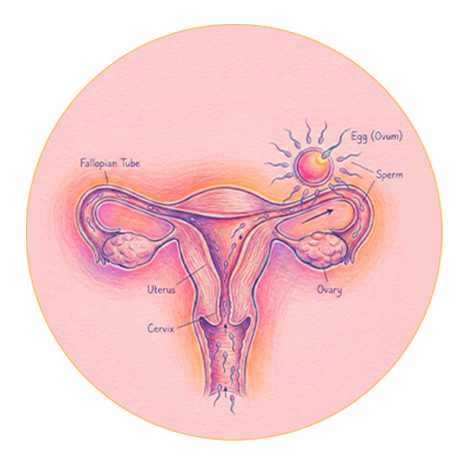

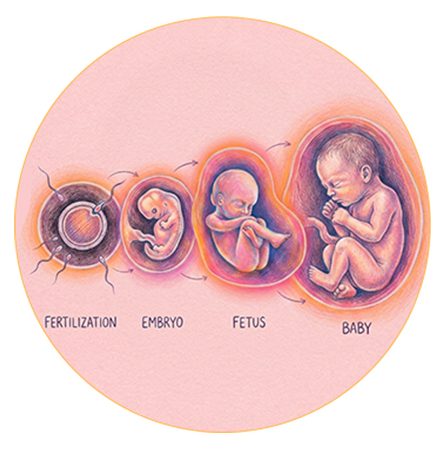
Once the egg is fertilized, it becomes a zygote, which starts dividing into more cells.
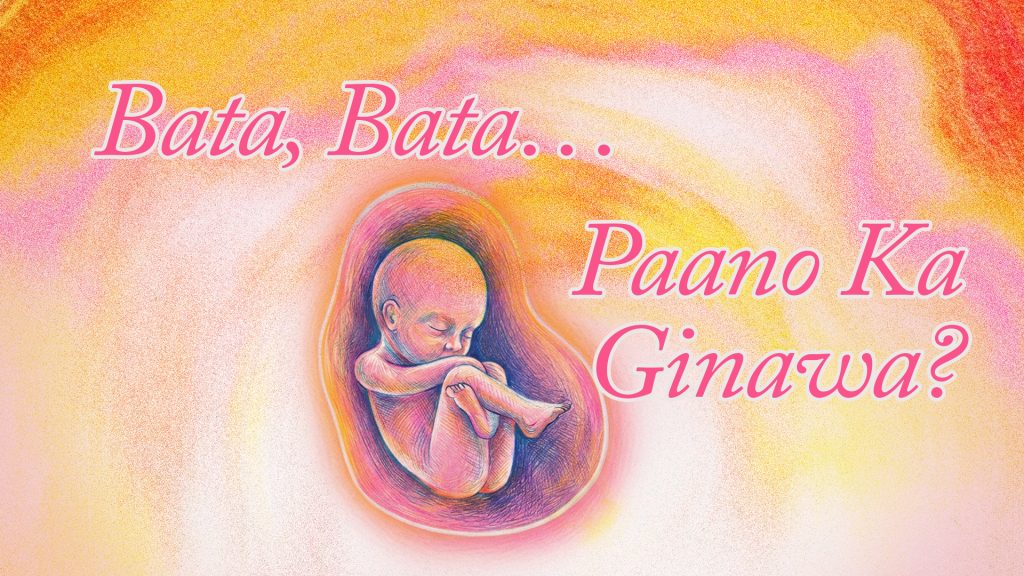
The fertilized egg travels to the uterus and attaches to the uterine lining. Over time, it develops into an embryo and later a fetus, eventually growing into a baby over the course of about 9 months.

Even if sperm enters the vagina, pregnancy doesn’t always happen—because it only works if the timing is right and the egg is ready. However, it is still possible, which is why understanding ovulation at birth control options in the Philippines is important.
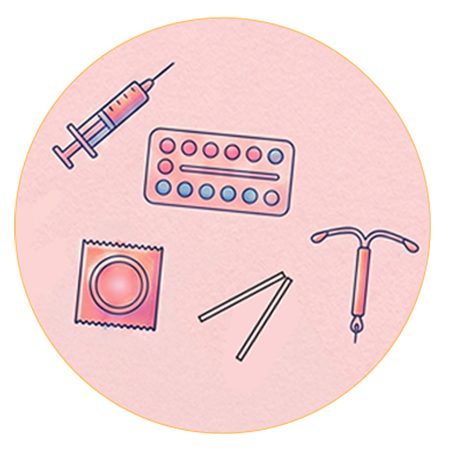

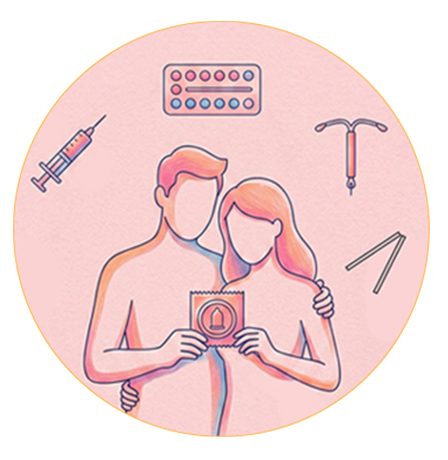
Learning about safe sex helps protect people from unintended pregnancy and sexually transmitted infections (STIs).
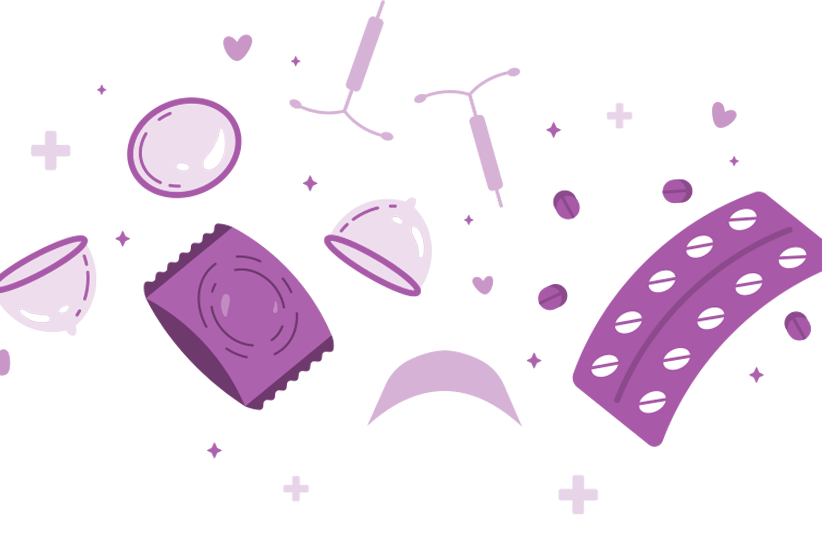
Using protection like condoms and learning about different contraceptive methods are important steps toward responsible decision-making and family planning later in life.
–
Reference
Cleveland Clinic. (2024). Fetal Development. Retrieved March 7, 2026, from https://my.clevelandclinic.org/health/articles/7247-fetal-development-stages-of-growth