

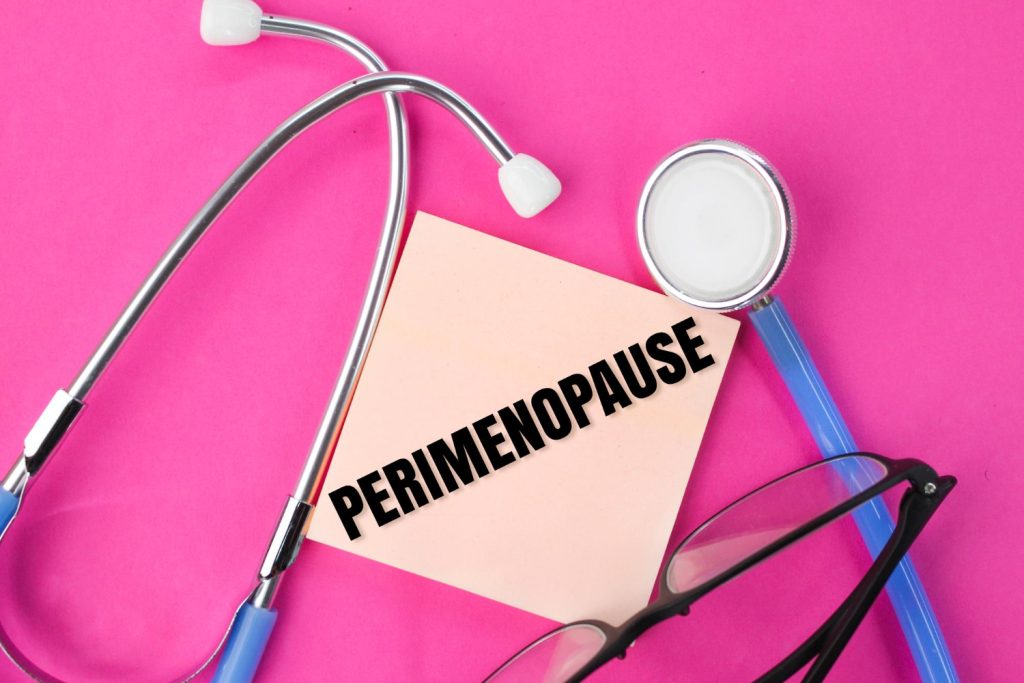

Perimenopause is a natural transition that usually begins in a woman’s 40s or early 50s. During this phase, your hormones start to fluctuate, which can affect your menstrual cycle, libido, and overall sexual health. Understanding these changes can help you maintain intimacy, manage discomfort, and stay confident about your sexual well-being.
Hormonal Changes and Sexual Health
As estrogen and progesterone levels change, you may notice:
- Irregular periods or skipped cycles
- Vaginal dryness or discomfort during sex
- Changes in libido or sexual desire
- Mood fluctuations that affect intimacy
These changes are normal, but they can impact your sexual health if not addressed.
Managing Vaginal Dryness and Discomfort
Vaginal dryness is common during perimenopause. You can ease discomfort by:
- Using water-based lubricants like EZ Lubricating Jelly can make sex more comfortable, letting you enjoy intimacy without irritation or friction
- Talking to your healthcare provider about low-dose estrogen treatments if needed
You can buy EZ Lubricating Jelly in the Philippines easily from pharmacies and drugstores nationwide, or order it online via Shopee, Lazada, and Watsons for discreet and reliable delivery.
Maintaining Libido and Desire
Fluctuating hormones may lower sexual desire, but several strategies can help:
- Prioritize stress management and sleep
- Communicate openly with your partner about your needs
- Explore new ways to connect intimately beyond intercourse
- Stay physically active to improve circulation and energy
Remember: Libido changes are natural, and they don’t mean you have to stop enjoying sex.
Contraception and Pregnancy Risk
Even during perimenopause, pregnancy is possible until menopause is confirmed (12 consecutive months without a period). If you’re sexually active and do not want to conceive:
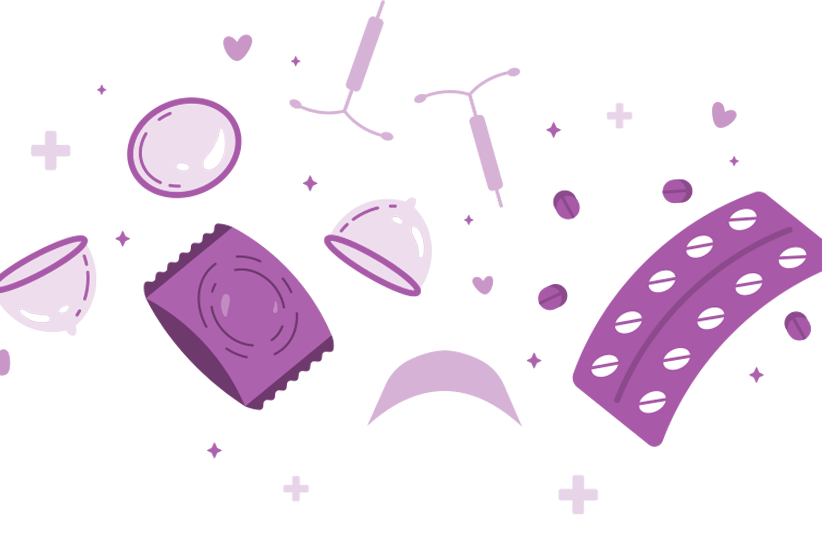
- Continue using contraceptives appropriate for your age and health
- Discuss options like implant, pills, or other birth control methods with your healthcare provider
- Consider your risk for sexually transmitted infections (STIs) and use condoms as needed, such as TRUST Condoms or PREMIERE Condoms, which provide effective dual protection against pregnancy and infections
⚠️ Important: Do not assume pregnancy is impossible—safe sexual practices are still necessary.
When to Seek Help
Consult a healthcare provider if you experience:
- Persistent pain or discomfort during sex
- Sudden changes in libido or mood that affect your life
- Symptoms that interfere with daily activities
A professional can guide you on hormone therapy, sexual health treatments, or counseling to make this stage more comfortable.
Embracing Sexual Health in Perimenopause
Perimenopause is a time of change, not limitation. With awareness, communication, and medical guidance, you can continue to enjoy a healthy, satisfying sex life. Take charge of your sexual health, explore what works for your body, and remember that intimacy is about connection, pleasure, and self-confidence at every stage of life.
References
Cleveland Clinic. (2024, August 8). Perimenopause. Cleveland Clinic. https://bit.ly/408s9cE
The Gynae Centre. (n.d.). 5 Tips for improving sex during perimenopause. http://bit.ly/4f92doa