


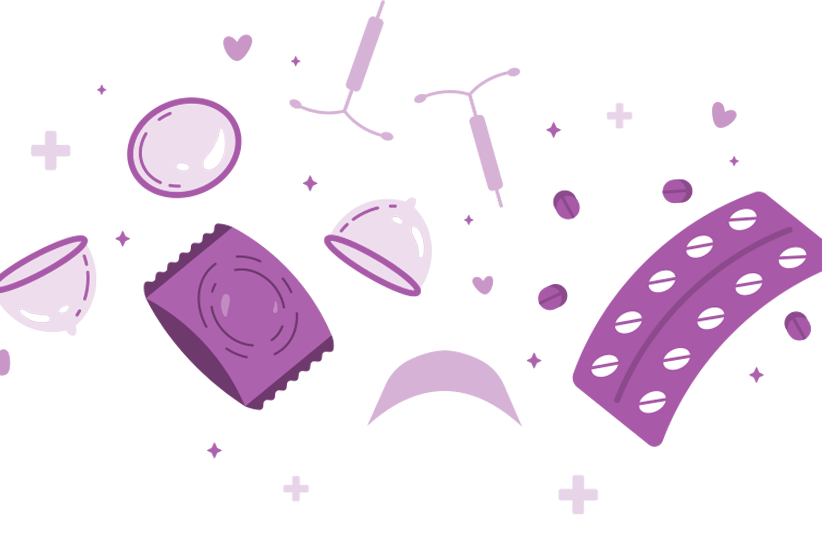
For many, the “pull-out” method, clinically known as withdrawal, is the default plan when a condom isn’t handy. It’s popular, it’s free and according to the Centers for Disease Control and Prevention (CDC), it remains one of the most used forms of contraception globally.
But is it actually a reliable strategy or are you just playing a game of “baby and STI roulette”?
The 1-in-5 Rule: A Failing Grade
The biggest problem with pulling out is that humans aren’t precise machines. According to the CDC, the failure rate for withdrawal is 22% which means nearly 1 in 5 couples who rely on withdrawal will end up pregnant within a year. A single second of hesitation during sex is all it takes to change your life forever.
Pre-Cum is Real
Even if your timing is perfect, your body might betray you. Research confirms that pre-cum can contain live, active sperm. These “stealthy swimmers” are released long before you actually climax. Moreover, if you’ve had just an ejaculation, sperm can linger in the urethra and hitch a ride with the pre-cum. You could be doing everything right and still end up with a positive pregnancy test because you can’t control what leaks out before you finish.
The STI Open Door
Perhaps the most risky part of the pull-out method is that it offers zero protection against Sexually Transmitted Infections (STIs).
Many STIs, such as HPV and Herpes, are transmitted through skin-to-skin contact. By the time you’ve pulled out, the transmission has likely already happened. Others, like HIV, Chlamydia, and Gonorrhea, can be passed through pre-ejaculate or vaginal fluids. If you aren’t using protection, you are leaving yourself vulnerable.
A Smarter Way to Stay in Control
The stress of “timing it right” often kills the mood anyway. For peace of mind and actual protection, wearing a condom, like PREMIERE Condoms, is the only way to ensure your future stays in your hands.
Don’t let a “pull-out fail” define your future. Be a responsible partner, skip the withdrawal stress, and choose a method that actually works.
Sources:
- Centers for Disease Control and Prevention (CDC). (2023). Contraception: Effectiveness. In Reproductive Health. https://www.cdc.gov/reproductivehealth/contraception/index.htm
- Planned Parenthood. (2024). Withdrawal (Pull Out Method). In Learn About Birth Control. https://www.plannedparenthood.org/learn/birth-control/withdrawal-pull-out-method
- Cleveland Clinic. (2024). Withdrawal Method (Pulling Out). In Cleveland Clinic Health Library. Retrieved from: https://my.clevelandclinic.org/health/articles/withdrawal-method