
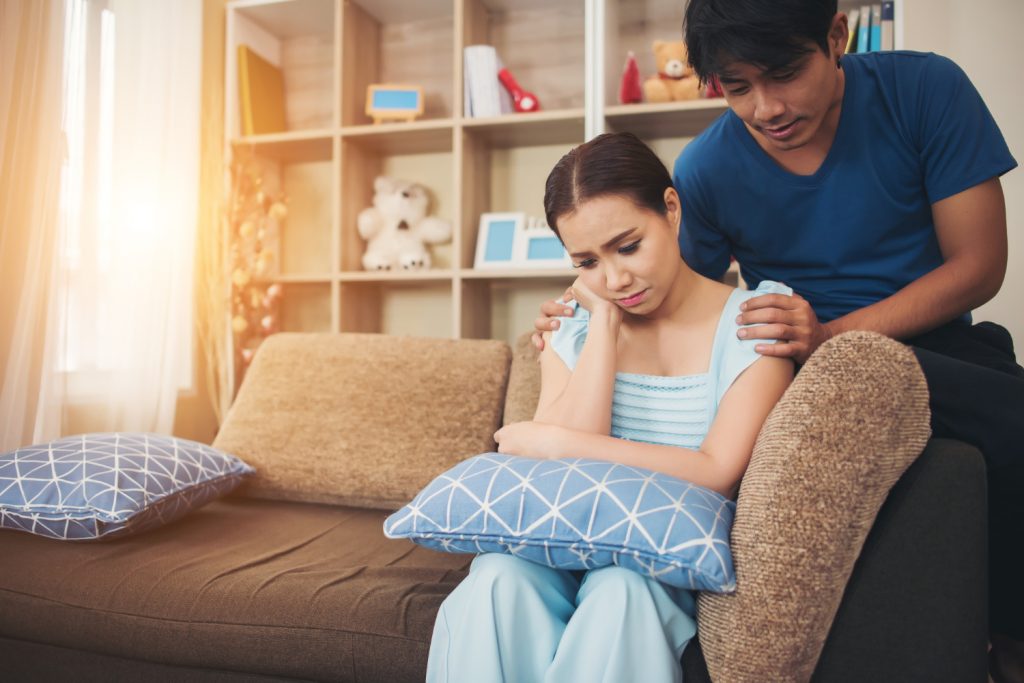

A lot of people think sex is purely physical. But the truth is, a big part of it happens in our minds.
Our thoughts, emotions, and mental well-being all play a role in arousal, desire, and intimacy. When your mind is overwhelmed, stressed, or struggling, it can affect how your body responds during sexual activity.
Understanding the connection between mental health and sexual health can help you better care for both.
Stress and Anxiety Can Affect Sexual Performance
When you’re feeling stressed or anxious, your body releases stress hormones like cortisol. These hormones can interfere with your mood and your body’s natural sexual responses.
Because of this, it may become harder to feel aroused, maintain intimacy, or stay present during sex.
Some possible effects include:
- Erectile dysfunction
- Reduced libido or sexual desire
- Performance anxiety
- Disrupted menstrual cycles
Stress can also make it harder to relax and connect with a partner, which is an important part of healthy sexual experiences.
Depression and Low Self-Esteem Can Lower Desire
Depression doesn’t only affect mood—it also affects brain chemicals that influence motivation, pleasure, and desire.
When someone is experiencing depression or low self-esteem, they may find it harder to feel interested in sex or enjoy intimacy the way they used to.
Some possible effects include:
- Decreased sexual desire or interest
- Negative body image
- Emotional withdrawal from a partner
- Less communication about sexual needs and boundaries
Feeling disconnected from your body or your partner can make intimacy more difficult, even if the desire for closeness is still there.
Bipolar Disorder Can Affect Sexual Behavior
Bipolar disorder involves shifts between manic or hypomanic episodes and depressive episodes. These changes in mood can also influence sexual desire and behavior.
During manic or hypomanic episodes, some people may experience:
- Stronger sexual urges or hypersexuality
- Pleasure-seeking behaviors without fully considering risks
- A higher chance of risky sexual behavior (such as sex with strangers or sex without protection), which can make practicing safe sex more difficult in the moment
During depressive episodes, the opposite may happen:
- Low libido or reduced interest in sex
- Less intimacy or emotional connection
- Withdrawal from partners or relationships
These changes are part of the condition, and with proper support, care, and awareness about safe sex and healthy relationships, they can be better managed.
PTSD Can Make Intimacy Feel Unsafe
Post-Traumatic Stress Disorder (PTSD) can develop after someone experiences or witnesses trauma.
Because the brain stays in a heightened state of alertness, physical closeness or sexual activity can sometimes feel overwhelming or unsafe.
Possible effects may include:
- Trauma triggers that cause fear or anxiety during sex
- Difficulty trusting or feeling safe with physical closeness
- Flashbacks or strong stress responses related to touch or intimacy
In these situations, safety, consent, emotional readiness, and supportive communication are especially important. Taking things at your own pace and making informed safe sex choices with a trusted partner can also help create a more comfortable and supportive experience.
Taking Care of Your Mental and Sexual Health
Mental health challenges can affect how we feel about our bodies, our relationships, and intimacy. But the good news is that support is available—and things can get better.
Talking about what you’re going through is a good first step.
- Speaking with someone you trust can help you feel less alone.
- A doctor or mental health professional can guide you toward the right care and support. Find clinics and hospitals near you.
For more information about safe sex, sexual wellness, and family planning in the Philippines, visit our articles page.
You can also talk to our chatbot ai-Thea found on the bottom right corner of the page for private, personalized guidance about your sexual health concerns.
–
References
Ellis, D. (n.d.). Integrating Mental and Sexual Health. News-Medical.Net. https://bit.ly/46ivLfU
International Society for Sexual Medicine. (n.d.). How Might PTSD Affect Sexual Function? https://bit.ly/4qV3eEy
Martins, K. (2024). How Bipolar Disorder Affects Sexual Health. WebMD. https://bit.ly/4cG3Ji6
MyAlly Health. (n.d.). How Stress Impacts Your Sexual Health and Ways to Manage It. https://bit.ly/3ZTZqIz