

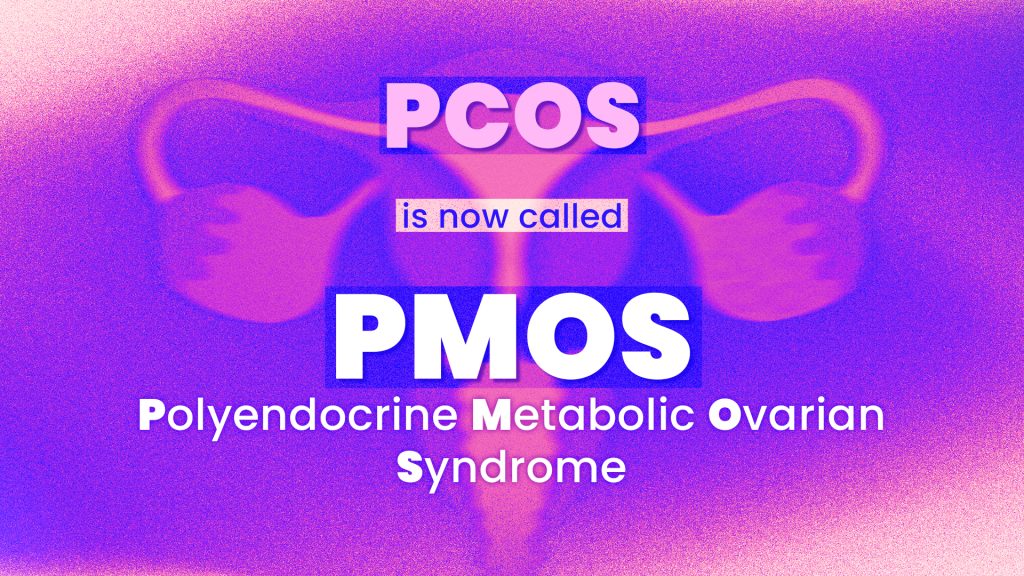



If you’ve been diagnosed with PCOS, or suspect you might have it, something important just changed. The condition known as Polycystic Ovary Syndrome now has a new official name: PMOS, or Polyendocrine Metabolic Ovarian Syndrome. And it’s not just a rebrand. It’s a long-overdue correction that could change how millions of women get care.
Why Was PCOS Renamed?
Experts say the old term “PCOS” was often misleading. Despite the name, not everyone diagnosed with PCOS actually has ovarian cysts—they’re clusters of immature follicles that never reached ovulation and only look like cysts on imaging. In fact, many women experience symptoms related to hormones, metabolism, skin, fertility, and mental health — not just the ovaries.
The new name, PMOS, highlights that the condition is:
- Polyendocrine – involving multiple hormones in the body
- Metabolic – connected to insulin resistance, weight changes, and blood sugar
- Ovarian – still involving reproductive health and ovulation
Researchers hope this updated term can help improve diagnosis, reduce stigma, and encourage more holistic treatment for patients.
PMOS Is More Than an “Ovary Problem”
One of the biggest reasons behind the renaming is awareness. PMOS is now recognized as a whole-body condition, not just a reproductive issue. It affects millions of women worldwide and is considered a lifelong hormonal and metabolic condition, although its exact cause is still unknown.
Symptoms may include:
- Irregular or missed periods
- Acne
- Weight gain or difficulty losing weight
- Excess facial or body hair
- Hair thinning
- Fertility challenges
- Fatigue or mood changes
Some women may also have higher risks for diabetes, heart disease, and other metabolic concerns.
What Does This Mean for Treatment?
Even with the new name, many treatment approaches remain similar. Doctors may still recommend lifestyle changes, medications, and hormonal management depending on symptoms and health goals.
In the Philippines, some people with PMOS may be prescribed hormonal treatments such as oral contraceptive pills containing Cyproterone Acetate + Ethinylestradiol to help manage acne, excess hair growth, and hormonal imbalance while providing effective contraception.
One of the most well-known pills containing this formulation is Althea, which may help regulate periods while also helping manage symptoms linked to androgen excess such as acne and unwanted hair growth.
To know more about our range of oral contraceptives, visit this page.
A Big Step for Women’s Health
The shift from PCOS to PMOS is more than just changing a letter. For many patients, it validates years of feeling misunderstood or dismissed.
Experts involved in the renaming process say the goal is to help people receive earlier diagnosis, better care, and more accurate information about the condition.
As conversations around women’s health continue to evolve, PMOS may help more people understand that hormonal conditions are complex, real, and deserving of proper care.
For concerns about PMOS, contraception, or reproductive health, always speak with a trusted OB-GYN or healthcare professional.
Important:
Please consult your doctor or healthcare provider before taking any prescription medicines found on this page.
The Foods, Drugs, Devices, and Cosmetics Act prohibits dispensing without a prescription.
For personalized guidance, consult a healthcare provider or visit a TRUST partner clinic near you. Find clinics and hospitals near you.
References
Cleveland Clinic. (2023). Polyendocrine Metabolic Ovarian Syndrome (PMOS). https://my.clevelandclinic.org/health/diseases/8316-polycystic-ovary-syndrome-pcos
Endocrine Society. (2026, May 12). Polyendocrine Metabolic Ovarian Syndrome: New name to improve diagnosis and care of condition affecting 170 million women worldwide. https://www.endocrine.org/news-and-advocacy/news-room/2026/pcos-name-change
Ungar, L. (2026, May 13). The condition PCOS is now called PMOS. What to know about the name change and what it means for care. The Associated Press. https://apnews.com/article/pcos-pmos-name-endocrine-society-women-9e8d83f2a7866eb1a16d6dd45ef1ec07