



After giving birth, your body goes through a lot of changes—and so does your routine. One important thing to think about during this time is family planning. Choosing the right method like birth control pills or other contraceptive options, can help you space pregnancies safely, recover better, and feel more in control of your reproductive health.
The good news is, there are several safe and effective options available after childbirth.
When Can You Start Family Planning After Giving Birth?
In many cases, contraception or birth control methods can be started:
- Once cleared by a healthcare provider
- Right after delivery (for certain methods like IUDs)
- Within weeks after giving birth
The timing depends on your health condition, breastfeeding status, and the method you choose.
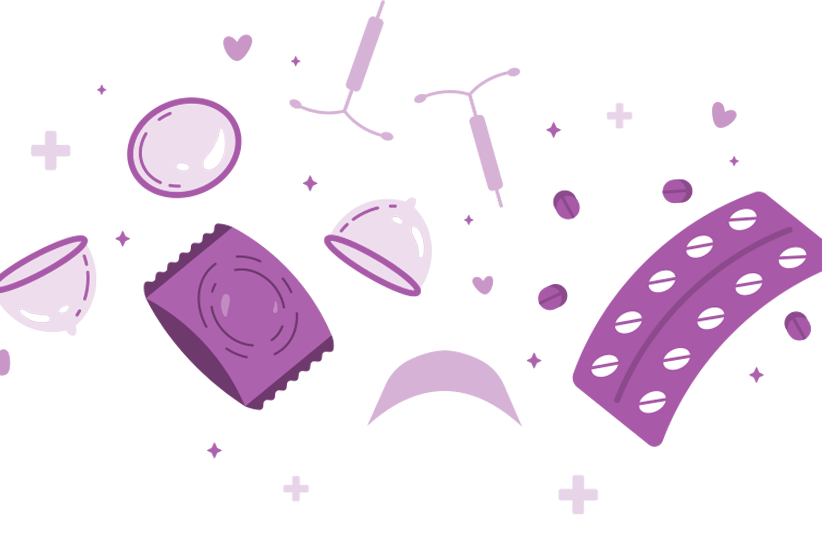
Common Family Planning Options After Childbirth
1. Pills
Birth control pills, including progestin-only pills, help prevent pregnancy by regulating hormones and are often suitable for breastfeeding individuals.
A hormonal shot given every 1 to 3 months that provides long-acting protection without needing a daily routine.
3. IUD (Intrauterine Device)
A small device placed in the uterus that offers highly effective, long-term pregnancy protection and can last for several years.
4. Implant
A small rod placed under the skin of the upper arm that provides long-lasting, low-maintenance protection for several years.
Things to Consider When Choosing a Method
Choosing the right option depends on your needs and lifestyle. Consider:
- Whether you are breastfeeding
- How long you want pregnancy protection
- Comfort with daily like birth control pills vs long-term options
- Possible side effects
- Access to healthcare services
Why Family Planning Matters After Giving Birth
Using contraception after childbirth helps:
- Give your body time to heal
- Support healthier spacing between pregnancies
- Help you adjust to parenthood with less stress
Conclusion
There is no one-size-fits-all method for postpartum family planning. What matters most is choosing an option that fits your body, lifestyle, and comfort—with guidance from a healthcare provider when possible.
—-
References
Department of Health. (2024). The Philippine Family Planning Handbook (2023 ed.). World Health Organization Philippines.