


What is it?
Combined oral contraceptive (COC) pills contain estrogen and progestin to prevent ovulation and pregnancy. A monthly pack typically has three weeks of hormone pills and one week of either placebos or iron tablets to induce your period.
There is also a type of COC with the cyproterone acetate molecule that can treat moderate to severe acne related to hormonal imbalance and hirsutism in women of reproductive age.
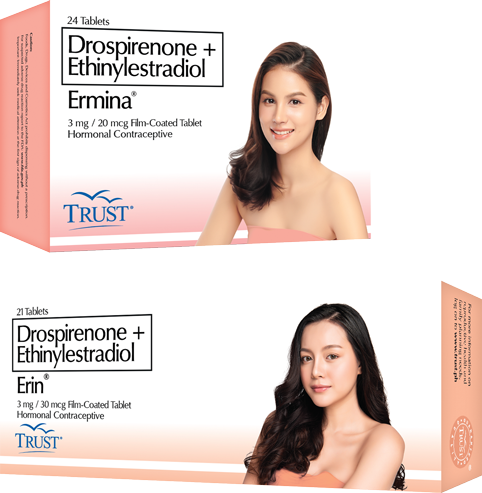
Drospirenone + Ethinylestradiol
Drospirenone and ethinylestradiol are synthetic hormones that work together to prevent pregnancy and keep your menstrual cycle on track. But this combined oral contraceptive offers benefits beyond basic birth control.
Why It Stands Out
Clearer Skin: Drospirenone helps reduce acne by counteracting hormones that trigger excess oil.
Less Bloating, Stable Weight: Its antimineralocorticoid effect reduces water retention, so many users experience less bloating and minimal weight change.
Predictable, Lighter Periods: Enjoy more consistent, manageable cycles.
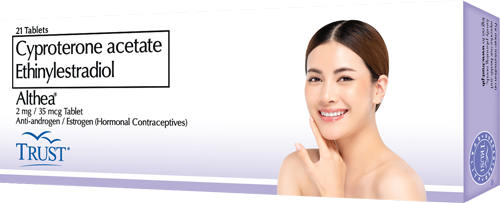
Cyproterone Acetate + Ethinylestradiol
This combined pill prevents pregnancy while addressing hormonal concerns that affect your skin and cycle.
Why It Stands Out
Helps Clear Acne: Cyproterone acetate has strong antiandrogenic properties, reducing excess oil and improving moderate to severe acne—especially helpful for women with PCOS.
Regulates Menstrual Cycle: Promotes more predictable, manageable periods, which can be disrupted in PCOS.
Supports Overall Comfort: Helps balance hormones for fewer cycle-related fluctuations and discomfort.
Ethinylestradiol + Levonorgestrel
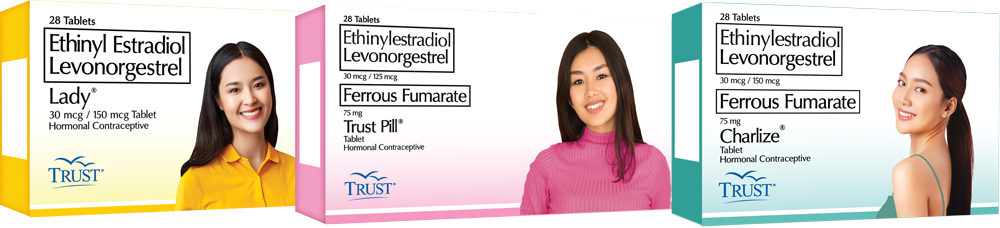
Ethinylestradiol + Levonorgestrel is a combined oral contraceptive pill (COC) that contains two hormones: estrogen (ethinylestradiol) and progestin (levonorgestrel). This well-established formulation is widely used for effective pregnancy prevention while also providing additional cycle control benefits.
Why It Stands Out
Proven and reliable formulation: Levonorgestrel is a second-generation progestin with a long track record of contraceptive efficacy and safety when used as directed.
Strong cycle control: Helps regulate periods and improve menstrual predictability.
Supports lighter, more manageable periods: May reduce menstrual flow and cramps for greater monthly comfort.
Is It Right for You?
Combined oral contraceptive pills (COCs) come in different formulations, each designed to address varying needs—whether it’s cycle regulation, managing menstrual discomfort, or specific hormonal considerations.
Choosing among the three combined oral contraceptives depends on your individual health profile, lifestyle, and personal preferences.
Consult a healthcare provider to help determine which option is most suitable for you.
How does it work?
Combination pills are proven effective because they contain both estrogen and progestin. The estrogen in COCs primarily prevents the release of an egg during ovulation, leaving no egg for sperm to fertilize. Progestin, on the other hand, increases cervical mucus, forming a barrier that stops sperm from entering the womb and reaching the fallopian tubes to fertilize an egg.
How effective is the method?
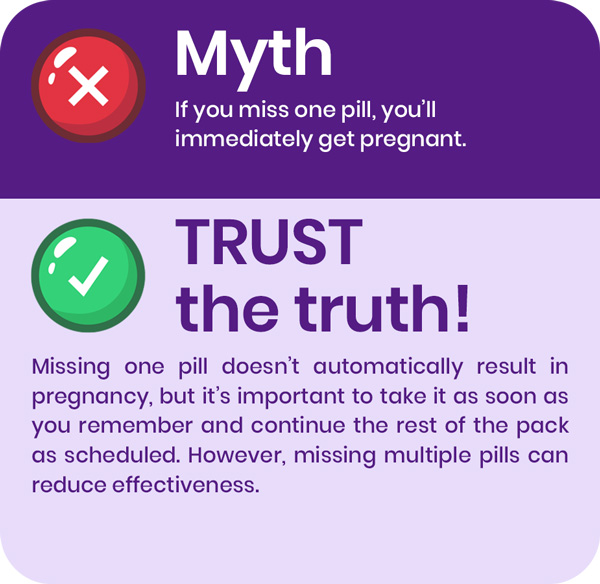
If taken perfectly, the pill is 99% effective, meaning only 1 out of 100 women might get pregnant in a year. With typical use, which includes occasional missed pills, it’s 91% effective, so about 9 out of 100 women might get pregnant in a year.
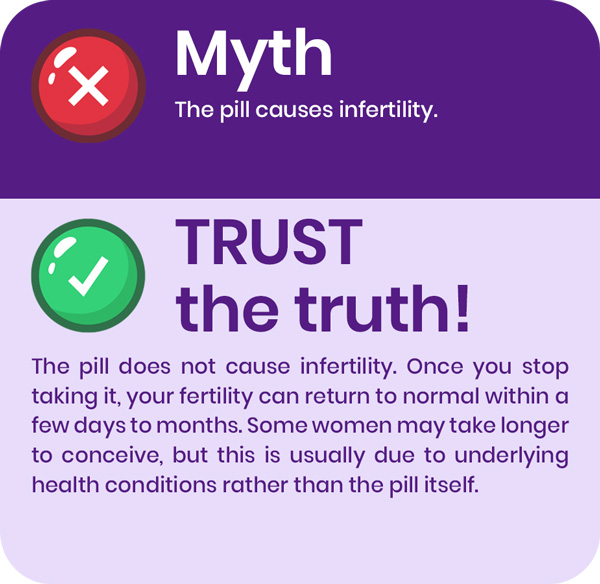
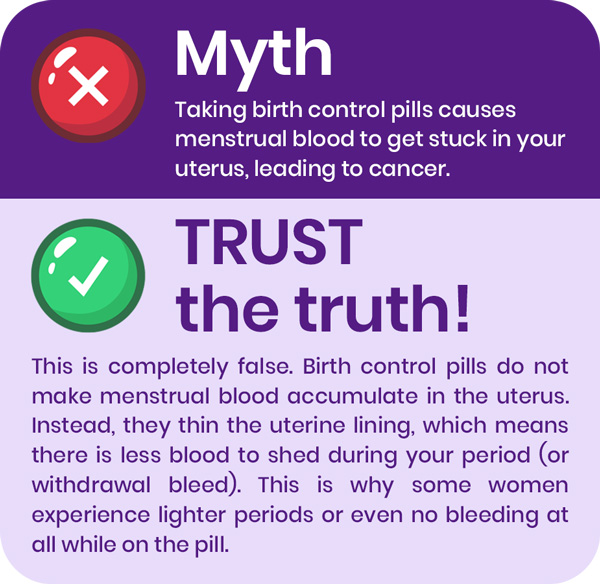
Myths and Misconceptions
Where to Buy:




Reference:
Planned Parenthood. (n.d.). How effective is the birth control pill? Planned Parenthood. Retrieved August 22, 2024, from
This is not an advertisement. The contents of this page are for information purposes only. They are not intended to diagnose and/or treat any medical ondition and should not be interpreted as substitutes for professional medical advice. Please consult your doctor or health care provider before taking any prescription medicines found on this page.